Recovery at home can make everyday comforts feel especially welcome. These 12 gift ideas range from cozy rest and gentle routines to useful items for spending time in bed or at a desk.
Choose with the recipient’s space, preferences, and daily routine in mind. A practical gift is most thoughtful when it fits what they can comfortably use.
12 Gift Ideas for Someone Recovering at Home
Snailax Shiatsu Back Massager with Heat
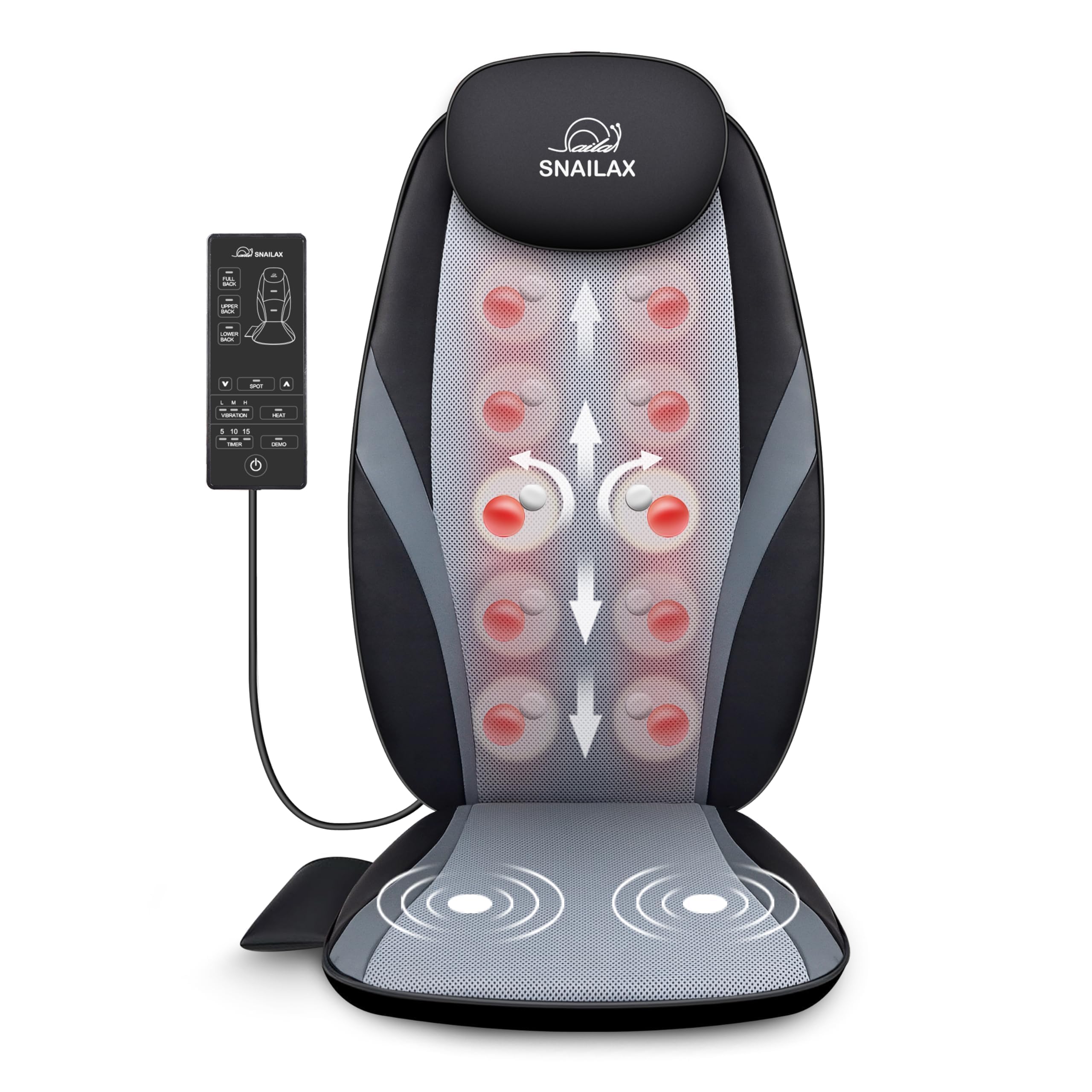
- Choose full, upper, or lower back coverage to focus the massage.
- An intensity flap and spot function let the user adjust the massage.
- The seat has vibration massage with three adjustable intensity levels; it does not provide heat.
Best Gift For: Someone who would appreciate a massage chair pad for relaxing at home or in an office chair.

RENPHO Full Foot Massager with Heat
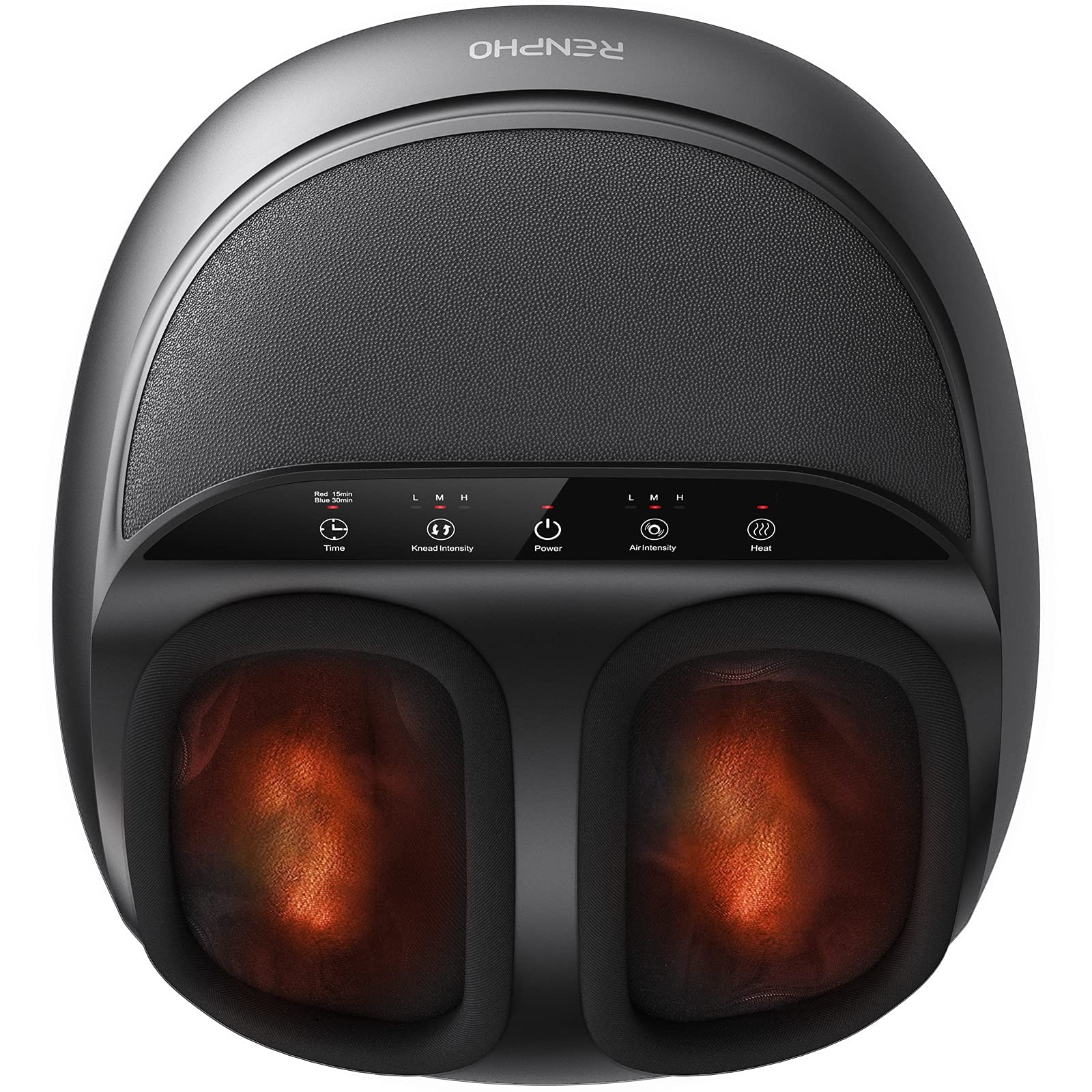
- The foot massage combines kneading, rolling, and heat.
- Kneading and squeeze intensity settings can be adjusted.
- The foot chambers have removable, washable sleeves.
Best Gift For: Someone who enjoys a foot massage while relaxing at home.
MyHalos 3D Blackout Sleep Mask, 2-Pack
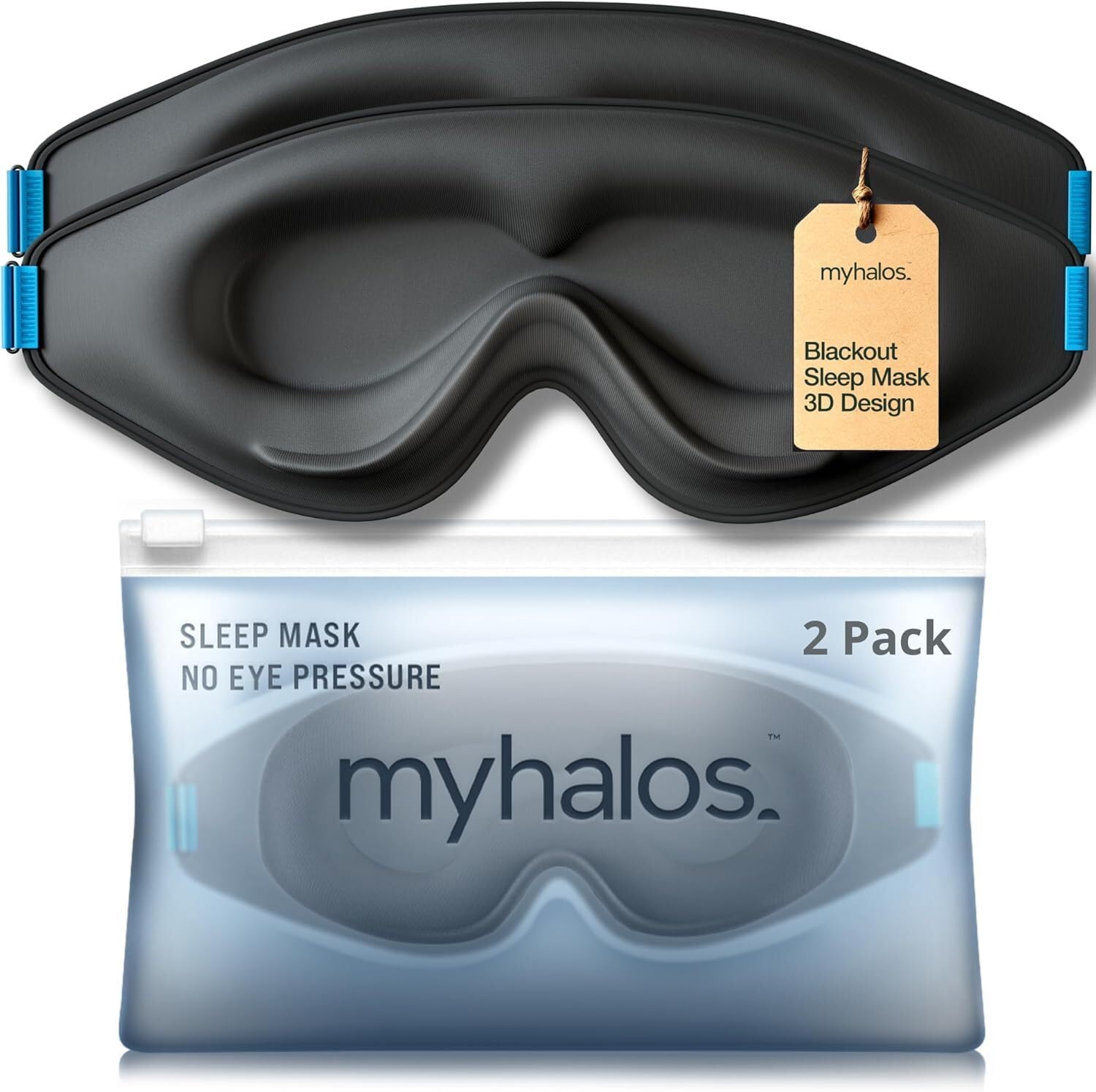
- The contoured design is made to block light.
- Deep eye cups are designed to avoid contact with eyelids or lashes.
- The mask is washable and includes a protective travel pouch.
Best Gift For: Someone who appreciates a sleep mask for naps or rest in different settings.
SONGMICS Adjustable Folding Bed Laptop Desk
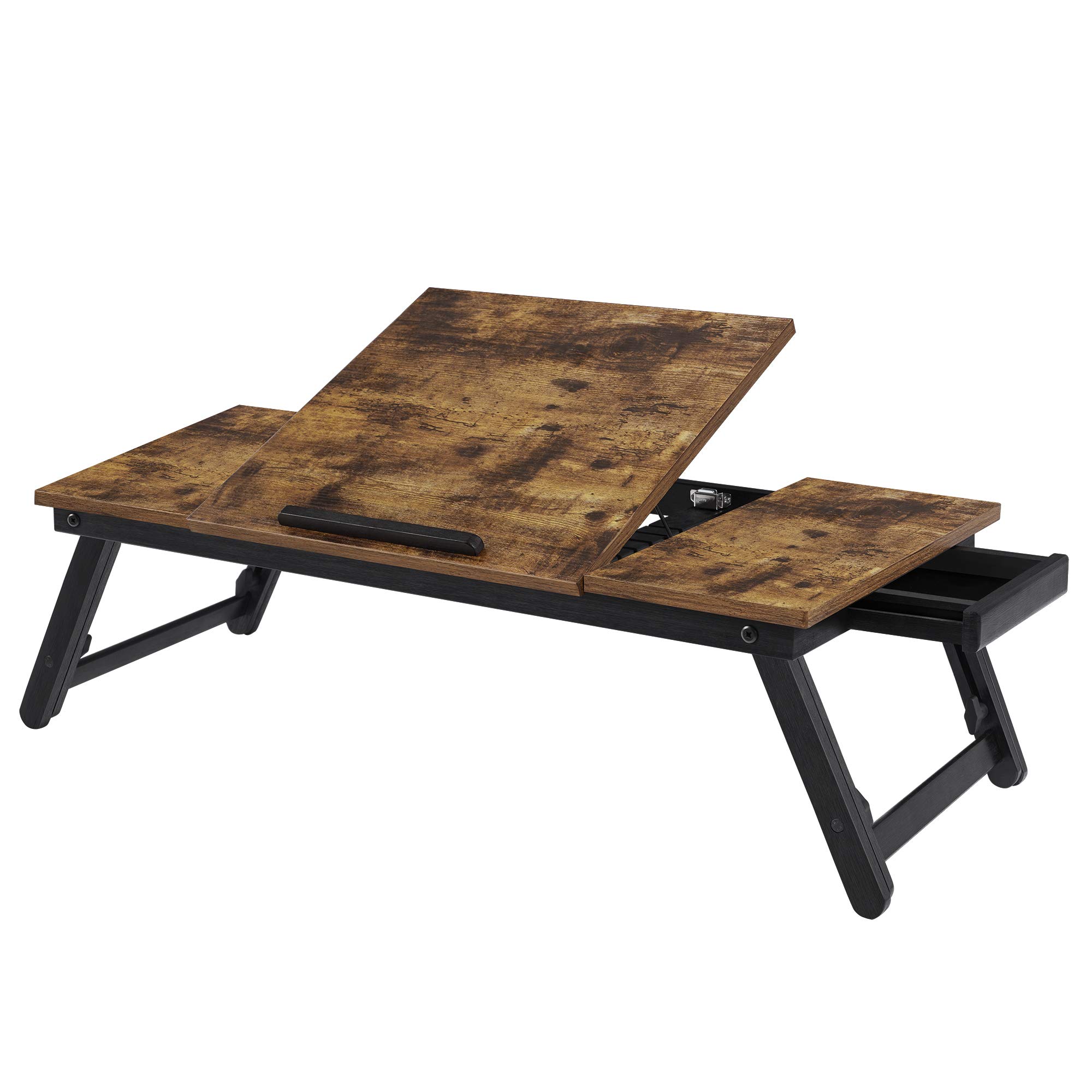
- Adjust the desk height and choose from five tilt-angle settings.
- The desktop has mouse space for either hand.
- The top folds flat for other uses, including breakfast in bed.
Best Gift For: Someone who would find a portable surface useful for reading or writing in bed.
Everlasting Comfort Memory Foam Foot Rest
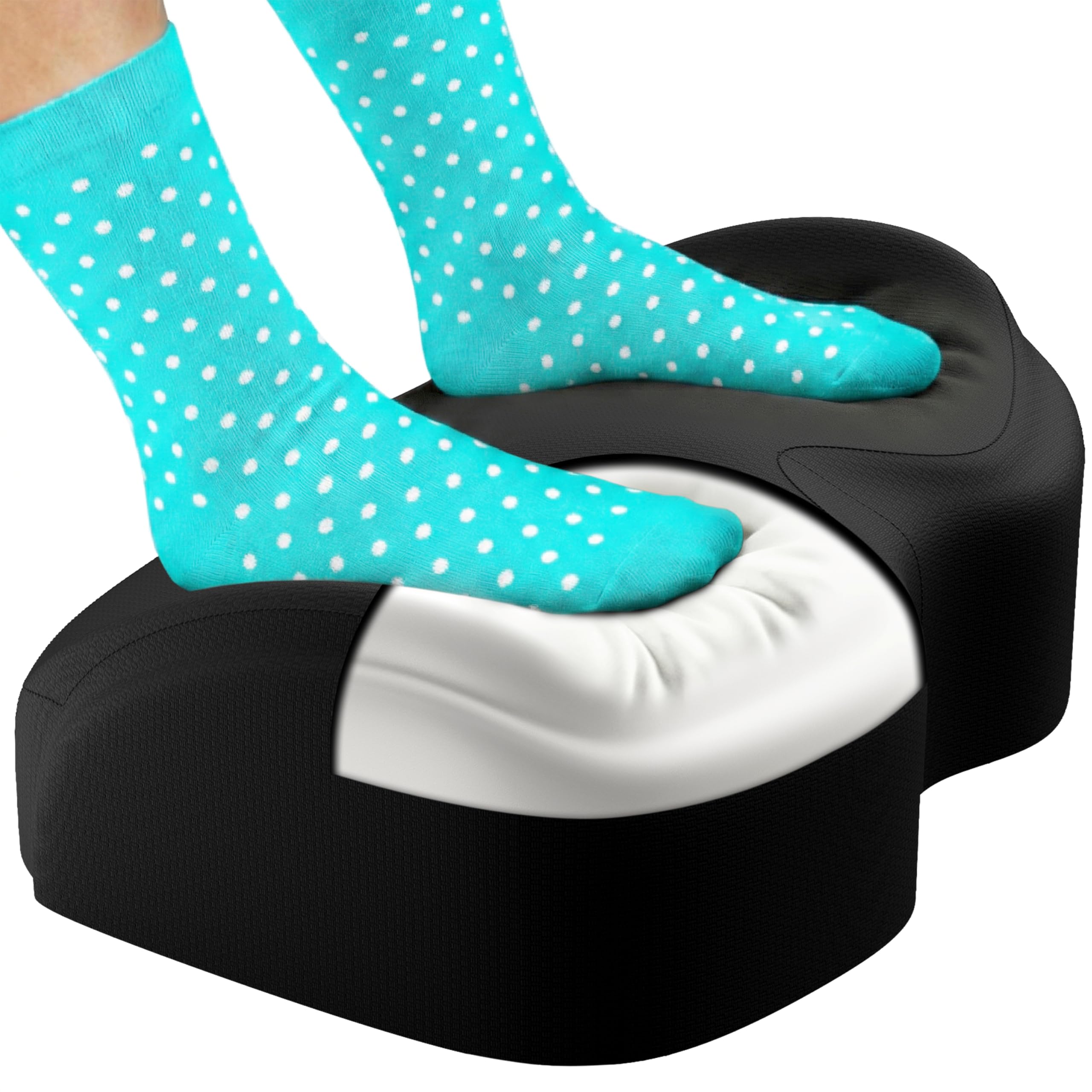
- Memory foam conforms to the feet for soft support.
- The cover is breathable and machine washable.
- A non-slip base helps keep it in place on different floors.
Best Gift For: Someone who spends time at a desk or gaming station and could use a footrest.
Everlasting Comfort 6L Cool Mist Humidifier
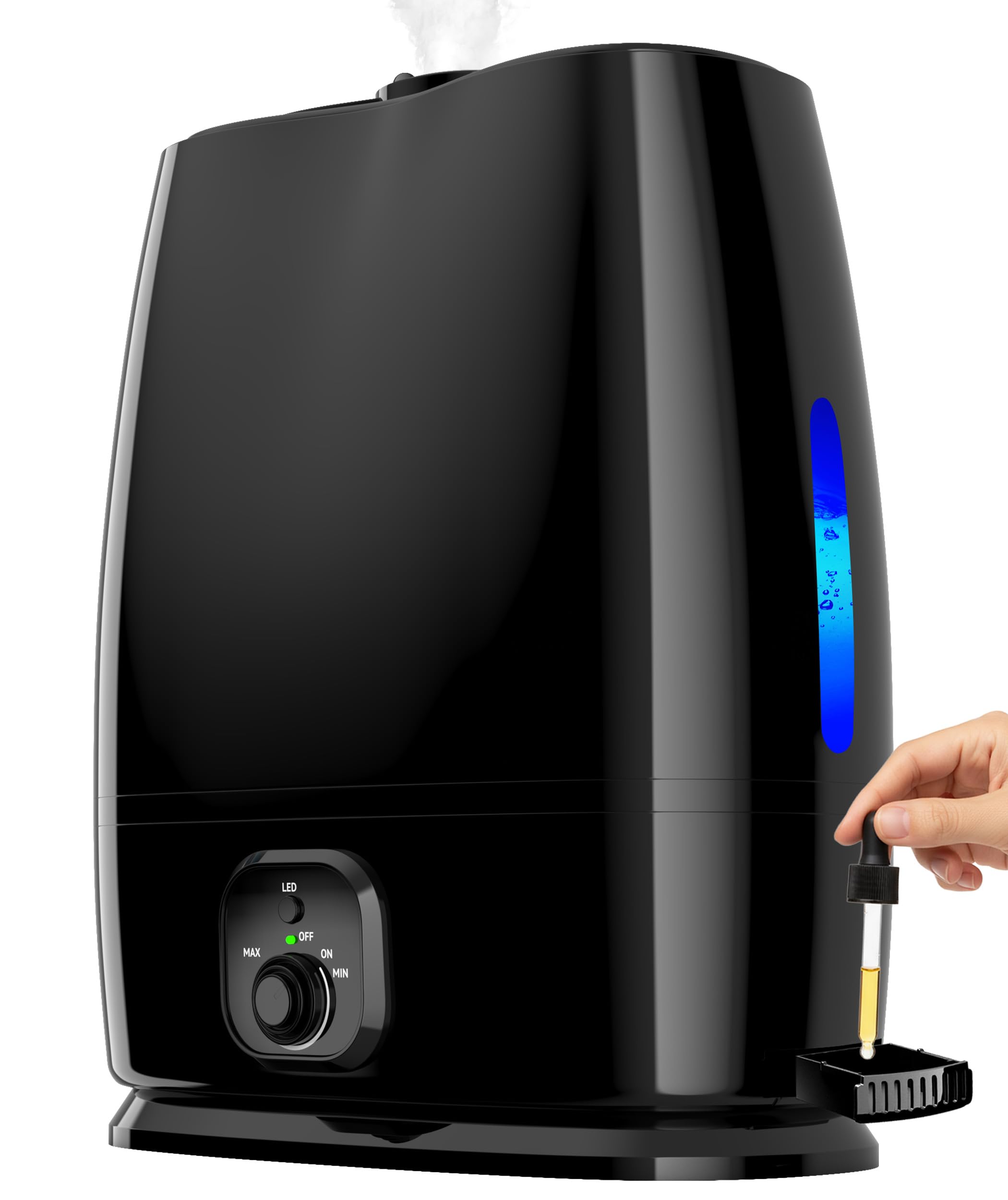
- The filterless design has a wide tank opening for cleaning.
- Mist output is adjustable and the nozzle rotates for coverage.
- It includes a tray for adding essential oils.
Best Gift For: Someone who would welcome a humidifier for a bedroom or another room at home.
WINIX 5510 Air Purifier with App Support
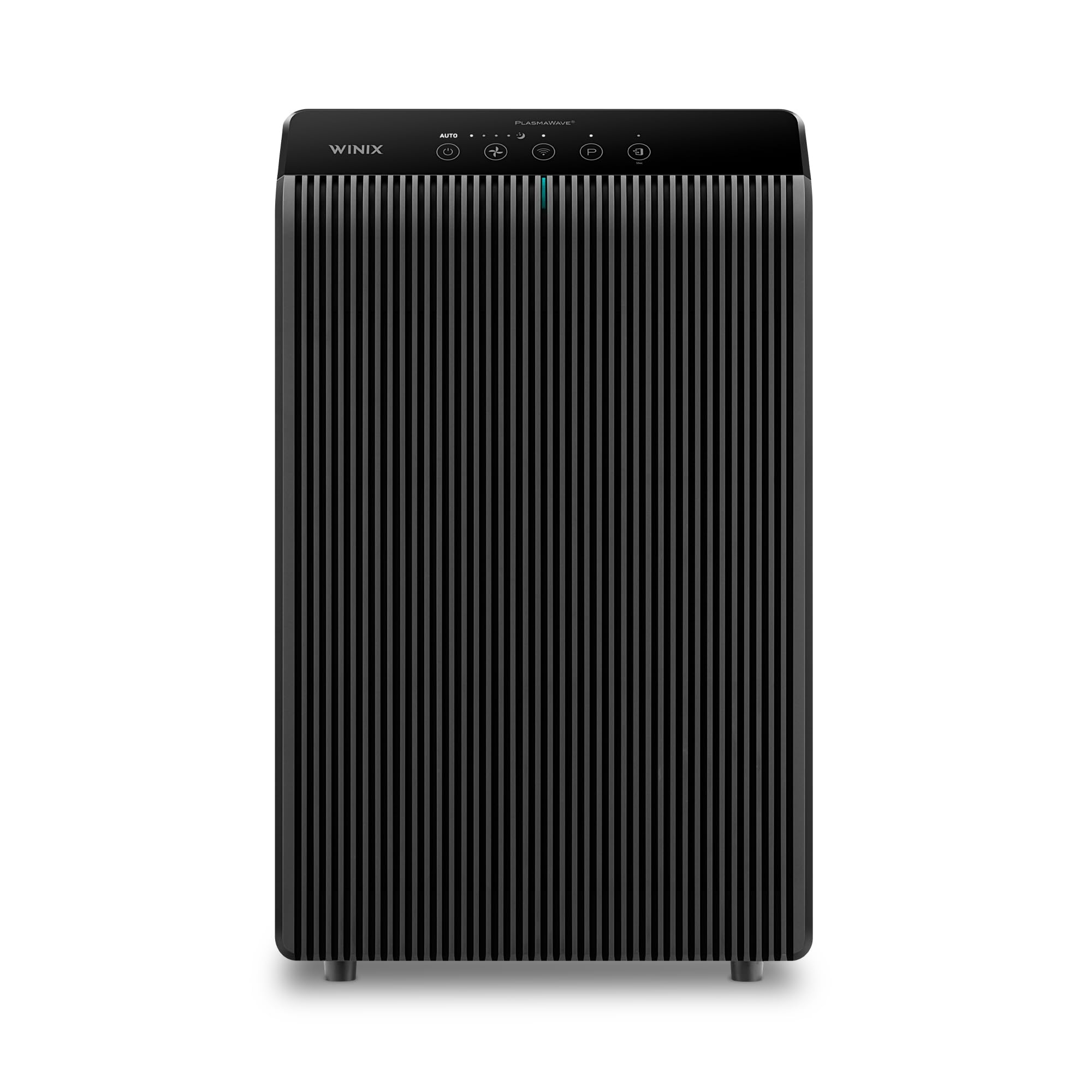
- The True HEPA filter captures airborne allergens including pollen, dust, and smoke.
- The app supports remote control and monitoring.
- Auto Mode adjusts fan speed based on the air quality sensor.
Best Gift For: Someone who wants an air purifier for a large room at home.
Mueller Living 1.8L Electric Kettle
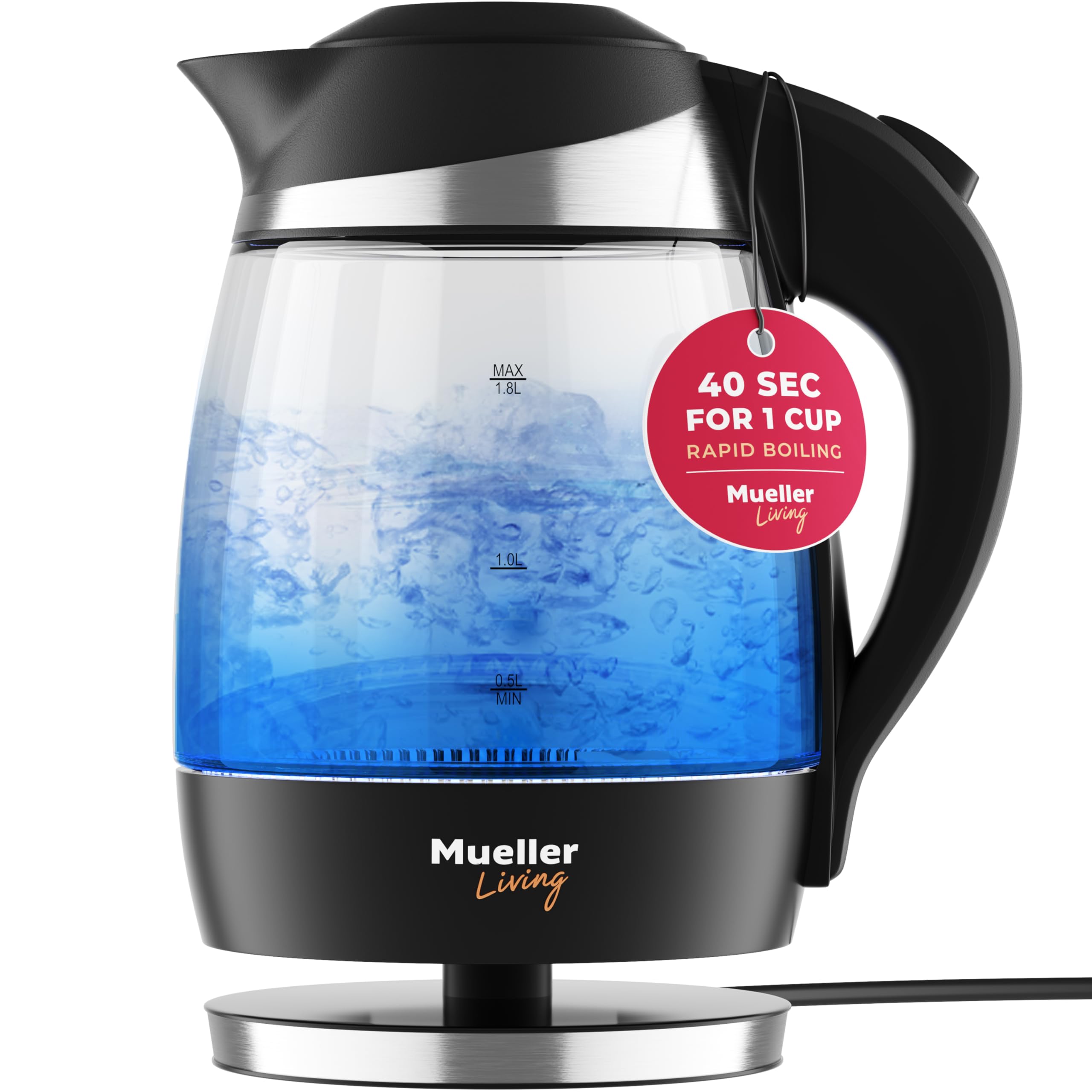
- The kettle switches off automatically when the water boils.
- Its removable filter can be washed.
- The cordless kettle pours without being tethered to the wall.
Best Gift For: Someone who enjoys making tea, oatmeal, or other hot drinks at home.
Hydracy 2L Motivational Water Bottle
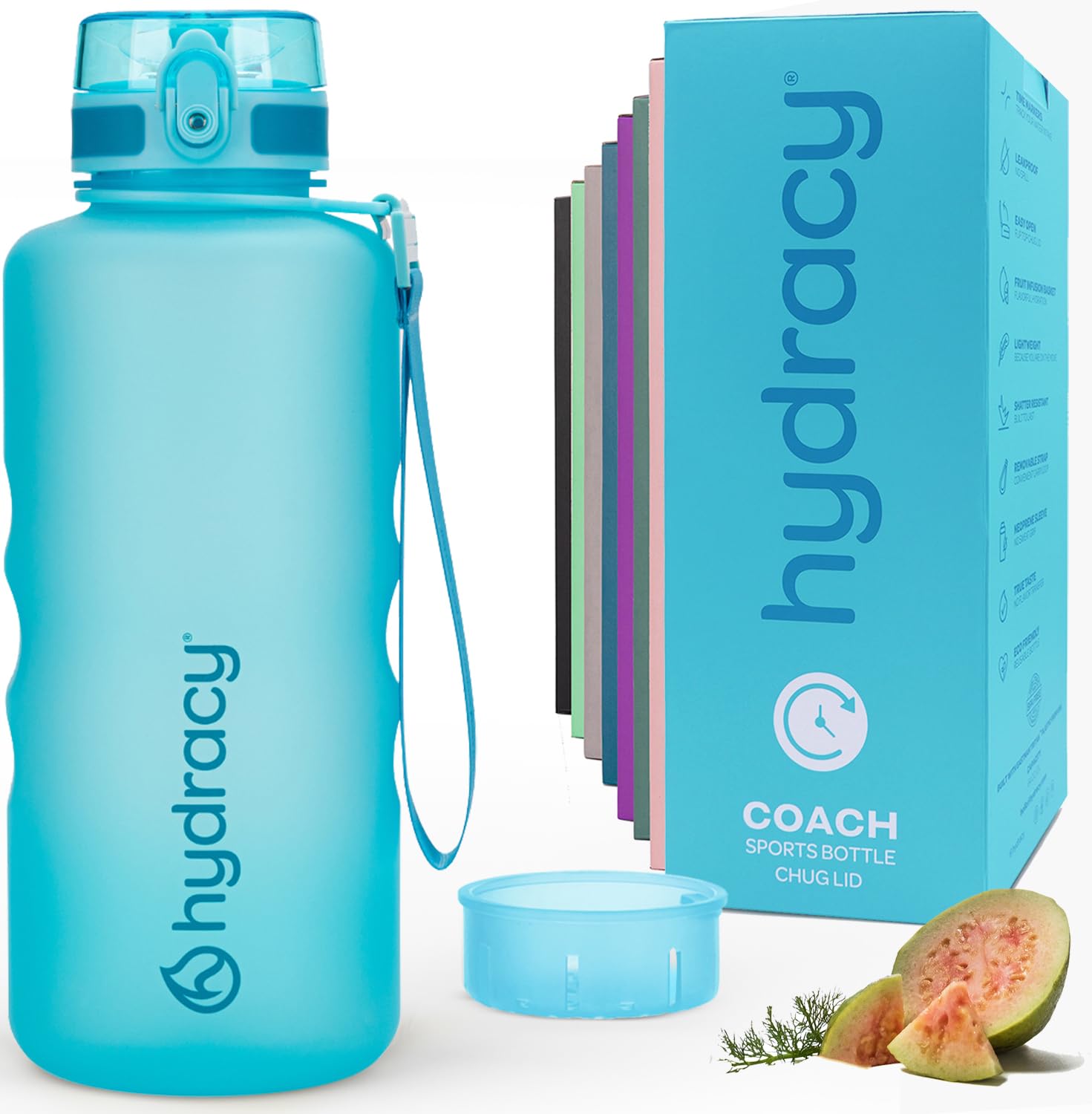
- A timeline on the bottle offers a visual prompt to sip.
- It has a detachable carry strap and flip-top lid.
- A fruit infusion strainer is included.
Best Gift For: Someone who likes a reusable bottle as a reminder to drink water through the day.
Coop Home Goods Original Adjustable King Pillow
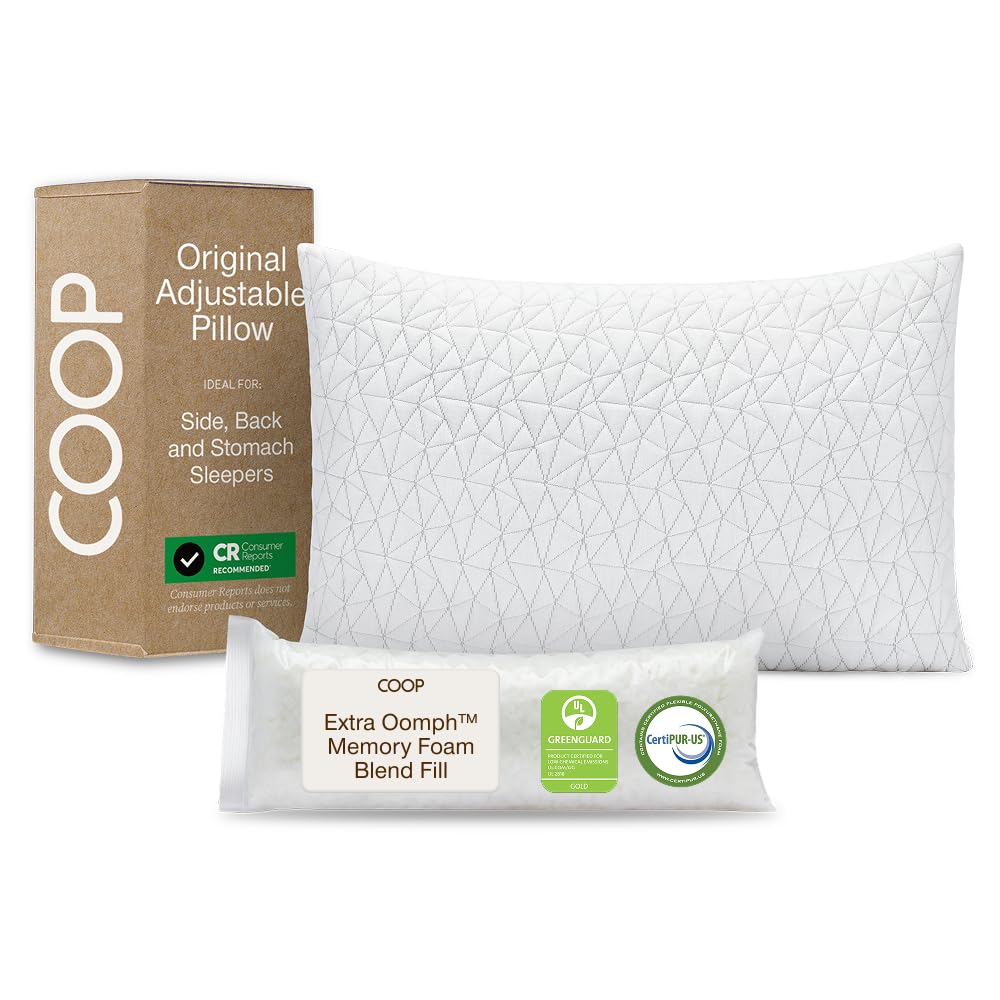
- The fill can be added or removed to adjust firmness.
- Extra fill is included for adjusting loft and firmness.
- The pillow has a breathable fabric cover.
Best Gift For: Someone who values adjusting a pillow to their preferred firmness and sleep style.
Bare Home Cotton Weighted Blanket, 60"x80", 22lbs
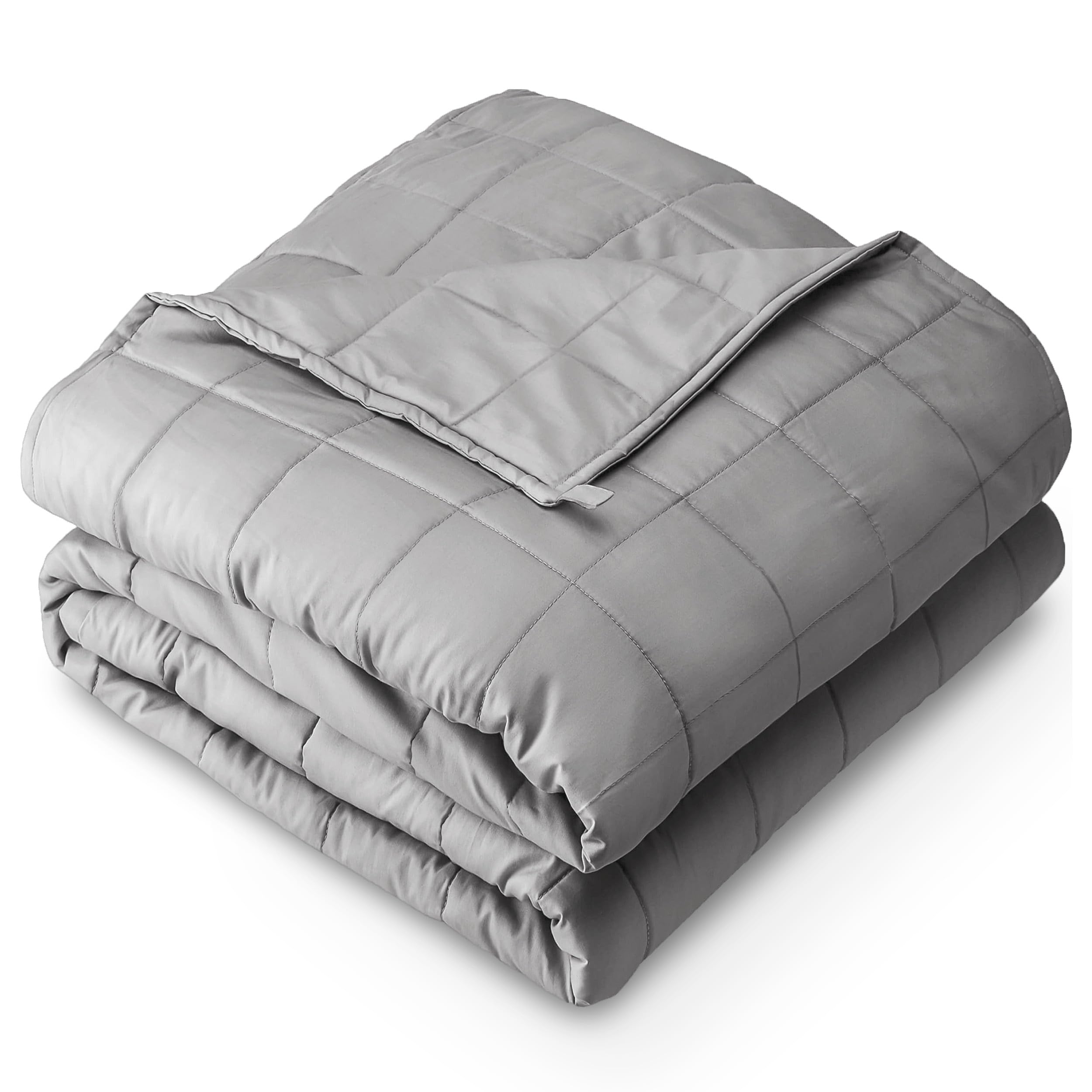
- The blanket is made with cotton fabric and glass beads.
- Reinforced stitching is designed to prevent beads from shifting or leaking.
- Corner loops can secure a cover with ties.
Best Gift For: Someone who would appreciate a weighted blanket and can confirm the size and weight suit them.
Clever Fox Planner PRO Light, Undated

- The undated planner lets you start using it at any time of the year without wasting a page.
- It includes a quick-start guide and planning stickers.
- The layout includes monthly, weekly, and daily planning.
Best Gift For: Someone who likes writing down goals and organizing a weekly or monthly routine.
Choosing gifts for people recovering at home
The most useful gifts for people recovering at home fit the recipient’s energy, space, and routines. Consider whether they are spending more time in bed, settling into a favorite chair, or moving between rooms.
A small comfort for a familiar spot can be easier to enjoy than something that asks them to change their routine.
Think about personal preferences before choosing a comfort item. Some people welcome warmth, soft bedding, or quiet time; others prefer practical help with reading, staying organized, or making a drink.
If you are unsure about a sensory preference, ask someone close to them or choose a flexible item they can use in different ways.
Check the practical fit: available floor or bedside space, storage, cleaning needs, and whether the recipient already owns a similar item. For anything connected to comfort or recovery, let the recipient’s own preferences and professional guidance shape the choice.
A considerate gift should feel optional and easy to set aside.
Set a comfortable budget and weigh ongoing needs
A thoughtful choice can be modest or more substantial. A reusable bottle, planner, or desk accessory may suit a smaller budget, while powered comfort devices and room appliances represent a larger commitment.
Choose a level that feels appropriate to your relationship and avoid assuming that a higher spend will be more welcome.
Consider the costs and effort that continue after unwrapping. Some home items need cleaning, storage, replacement parts, or a suitable place to live.
Ask whether the recipient would enjoy maintaining another appliance or would prefer something simple. Checking current prices helps you compare options at the time you shop.
For larger items, confirm dimensions, controls, power needs, compatibility, and available space before ordering. Think about who will set it up and whether the recipient can comfortably use it.
A smaller gift paired with a note or practical help can sometimes suit the moment better than a bulky purchase.
Personalize the comfort and presentation
Personalization for gifts for people recovering at home can be as simple as matching the gift to a daily ritual. Pair a kettle with a favorite tea, or a planner with a few encouraging notes about low-pressure activities.
Keep additions relevant to what the recipient likes, and avoid suggesting a pace or goal they have not chosen.
Ask about colors, textures, scents, and preferred routines when you can. A gift intended for rest may be less welcome if its feel or fragrance is not to their taste, and a larger item may compete for limited space.
A discreet question to a family member can help you make a more personal choice.
Presentation can stay easy to manage: use a gift bag, remove excess packaging, and include a short note that makes clear there is no obligation to use the gift right away. Offer to help with setup or tidying if that would be useful.
Let the recipient decide when and how it fits into their day.
Make a practical choice when time is short
If you are choosing at the last minute, start with what you already know: a preferred drink, a favorite place to sit, or a hobby they can currently enjoy. A familiar, low-effort item is often easier to choose confidently than a device whose size or settings you have not checked.
When uncertain, a simple card with an offer of help can be meaningful.
Before checkout, review the current product details and confirm compatibility, dimensions, and any care requirements. Check the delivery estimate for the address and timing you need, since arrival dates can vary.
For an item with controls or setup, consider whether the recipient will have help available if they want it.
Keep the gesture light. Ask whether they would like the gift left at the door, delivered to a family member, or brought during a visit, and follow their preference.
A brief message and a useful offer—such as handling an errand or preparing a drink—can accompany a gift without creating pressure to host or respond.
Give them room to choose their own pace
Recovery can make routines unpredictable, so favor gifts that leave room for the recipient to choose when to use them. A flexible comfort or an easy-to-store practical item can fit changing days.
Avoid framing a gift as a remedy or implying that it should produce a particular outcome.
If you are unsure whether an item is appropriate, keep the conversation open and ask what would make home life easier right now. Their answer may point to a small convenience, company, or help with a task instead of another object.
The kindest option is one that respects their preferences and available energy.
Include a simple note that says you are thinking of them and that there is no need to reply or use the gift immediately. If the item needs assembly or care, offer help without taking over.
The gesture can be warm and practical while allowing them to set the pace.